
Key Takeaways
A carpet odor usually points to something trapped in or beneath the fibers, so start by locating the source. Gentle, targeted cleaning and thorough drying are safer bets than masking the smell.
- Find and address the source before deodorizing.
- Blot fresh spills instead of rubbing them deeper into the carpet.
- Use carpet-safe products as directed, and test them in a hidden spot.
- Dry-clean areas fully to limit lingering damp or musty smells.
- Call a professional if odor persists, spreads, or may come from the padding or subfloor.
What Causes Carpet Odors?
Carpet fibers catch more than dust. Pet accidents, spilled food and drinks, tracked-in grime, and everyday body oils can all leave odors behind, especially when residue settles below the surface. A room may smell stale even when the carpet looks clean because vacuuming mostly addresses loose debris.
Moisture is another frequent culprit. A spill that seeps into the backing, damp shoes left near the entrance, or a slow leak can leave a musty smell that returns after the surface dries. If the carpet stays damp or the smell is persistent, consider whether the source could be below the carpet rather than in its pile.
Different smells offer clues, but they do not identify the source with certainty. Pet odors often linger around a particular spot, while a general mustiness can point to dampness or stale air. For a quick overview of common causes and simple deodorizing ideas, see these carpet odor tips; whichever approach you try, the lasting fix starts with finding what caused the smell.
Before You Start: Find the Source of the Smell
Before applying a deodorizer or cleaner, check where the smell is strongest and whether it is localized or spread across the room. Look for visible stains, damp patches, food debris, pet accident areas, and spots near exterior doors or windows. A clean-looking carpet can still hold residue, so use your nose as one clue rather than relying on appearance alone.
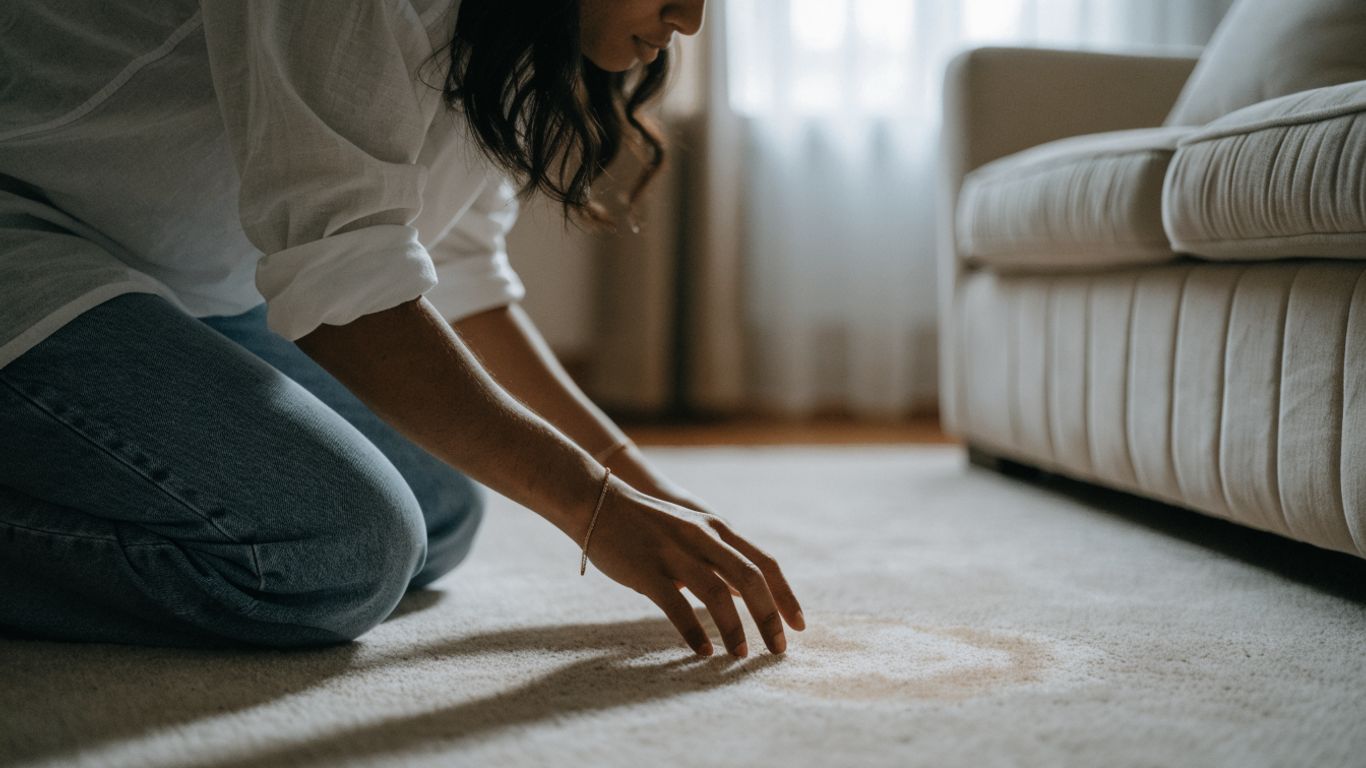
A quick, methodical inspection can narrow down what to do next. Start with these checks before treating the carpet:
- Smell close to the carpet in a few different areas to find whether the odor is concentrated.
- Check for dampness, discoloration, or a stain that may have dried on the surface.
- Inspect nearby furniture, pet bedding, and entryways for another source of the smell.
- Note whether the odor changes after ventilation or returns when the room is closed.
Once you have a likely source, choose a method suited to that problem instead of cleaning the whole room at random. If you suspect pet urine, take extra care with moisture: adding water or shampooing without addressing the residue can make the smell more noticeable. This guide to urine odors after shampooing explains why the odor may worsen and what to consider next.
7 Proven Methods to Remove Odor from Carpet
The best method depends on what caused the odor and how deeply it has settled. Start with the gentlest useful option, and read the label before applying any cleaner. For products that will touch carpet, test a small hidden area first and let it dry so you can check for color changes or texture damage.
These options can help you match a treatment to the situation. They are not interchangeable: a light surface smell may respond to ventilation and vacuuming, while a soaked or persistent odor can call for more targeted help.
| Method | May help with | Keep in mind |
|---|---|---|
| Vacuum thoroughly | Loose dirt, crumbs, and pet hair | Use a suitable setting for your carpet |
| Blot with a clean cloth | Fresh spills | Press gently; rubbing can spread residue |
| Baking soda | Mild, lingering surface odors | Use sparingly and vacuum it up completely |
| Carpet-safe enzyme cleaner | Some organic stains and odors | Follow the product label and spot-test first |
| Ventilation and drying | Damp, stale smells | Avoid trapping moisture under furniture |
After choosing a method, give the area time to dry before judging the result; a damp carpet can smell different from a dry one. Baking soda may help freshen a small area, but it will not repair a leak or remove residue deep in the backing. Use targeted, patient cleaning rather than layering products, and stop if the carpet’s color or texture changes.
Common Mistakes That Make Carpet Odors Worse
Trying to cover an odor with perfume or room spray may make the room smell stronger without removing the source. Too much water can also be a problem: moisture that reaches the backing or padding may dry slowly and leave a musty smell behind. When a smell returns after surface cleaning, it is a sign to reassess the source rather than repeat the same treatment.
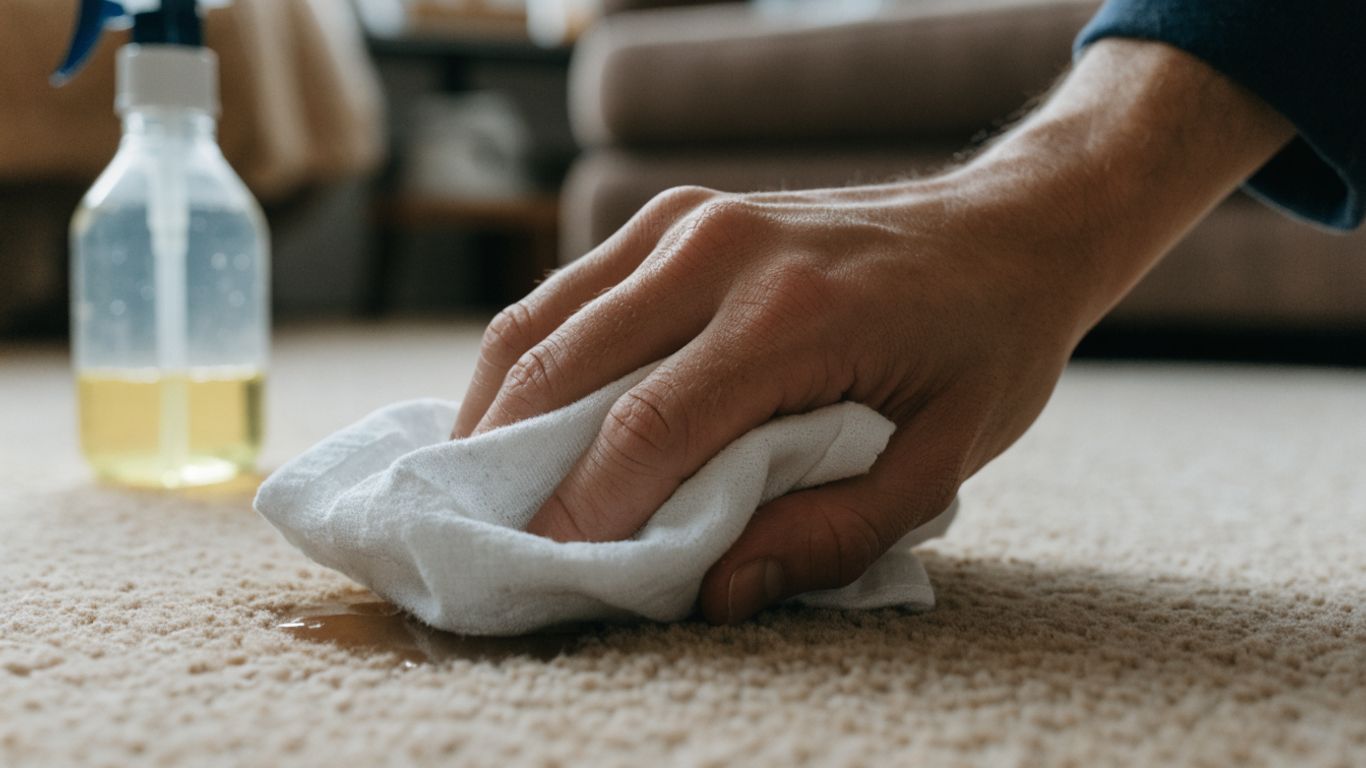
A few tempting shortcuts can create extra work or damage. Avoid these common missteps when you are cleaning an odorous area:
- Scrubbing hard, which can work residue deeper into the fibers or rough up the pile.
- Soaking the carpet, especially when you cannot dry the backing quickly.
- Mixing cleaning products or applying one cleaner over another without checking the labels.
- Skipping a hidden-area test before using a new product.
Give the carpet time to dry and smell it again before deciding whether another step is needed. If a urine odor remains after cleaning, avoid repeating a shampoo treatment blindly; the cause may be deeper than the visible spot. Choosing a method for the type of residue—and following the product directions—helps you avoid turning a small problem into a larger one.
Why Carpets Smell Worse in Ottawa Winters
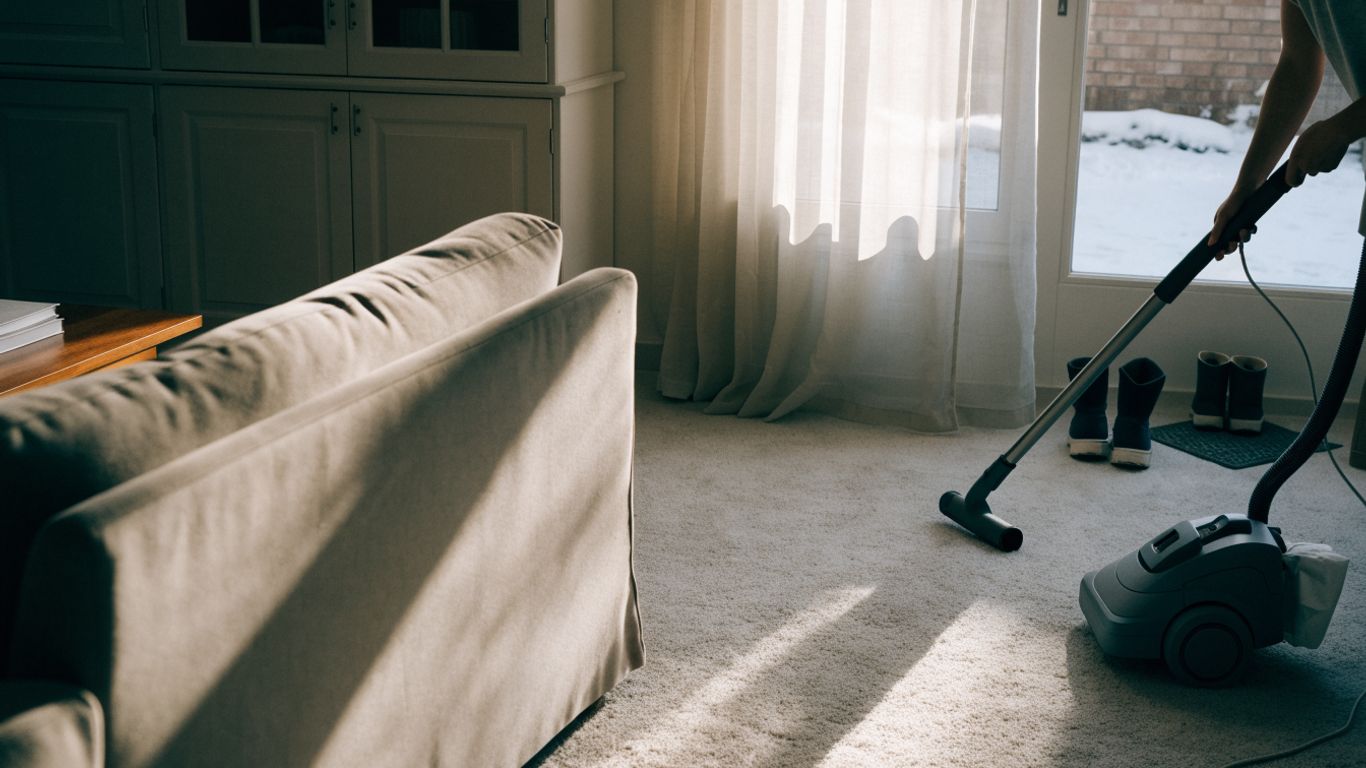
Ottawa winters can make carpet odors more noticeable because boots and shoes bring in snow, slush, and moisture. Entryways see repeated wet traffic, and rugs or carpet near doors may not dry quickly when windows stay closed. That trapped dampness can contribute to a stale or musty smell.
Cold weather also changes how you ventilate your home. You may keep windows shut and spend more time indoors, allowing cooking smells, pet odors, and everyday household scents to linger. With less fresh air moving through the room, a smell that was easy to miss in warmer weather can seem stronger.
A few habits can help you keep winter odors from building up. Remove wet footwear near the entrance, dry damp mats, and vacuum tracked-in grit regularly. If a patch of carpet stays wet, address the moisture promptly and look for the reason it keeps returning; winter air can make drying slower, but a persistent damp smell deserves attention.
When to Call a Professional Carpet Cleaner
A professional may be worth contacting when the odor persists after careful cleaning, covers a large area, or seems to come from beneath the carpet. Repeated accidents, a significant spill, or a musty smell that returns after drying can be difficult to address with surface treatment alone. If you suspect an ongoing leak or another moisture problem, address that source as well.
Consider the carpet’s material and condition before trying stronger products. Delicate fibers, old stains, or a carpet that changes color or texture during a spot test are good reasons to stop and seek informed advice. A persistent odor that appears alongside visible moisture or damage may call for inspection beyond routine deodorizing.
Professional Carpet Odor Removal in Ottawa with WeDoClean Services
If you are considering WeDoClean services for a carpet odor concern in Ottawa, describe where the smell is strongest, when you first noticed it, and whether the area has been wet or cleaned before. Those details can help you ask focused questions about the next step. Confirm directly which service is appropriate for your carpet and the source you suspect.
Before booking with WeDoClean Services, ask what the proposed work includes and whether there are any instructions to follow before or after treatment. It is also reasonable to ask how the carpet should be cared for while it dries and when you should reassess the odor. Specific answers let you judge whether the plan addresses the cause rather than simply masking the smell.
No treatment should be treated as a guarantee when the source is unknown or moisture is still present. If you contact WeDoClean Services.
share what you have already tried and mention any recurring dampness or visible damage. Keeping those details clear makes it easier to have a useful conversation about your carpet’s needs.
Conclusion
To remove odor from carpet, begin by finding the source, then choose a gentle method suited to the residue and let the area dry completely. When the smell persists, returns, or may be coming from beneath the carpet, pause the DIY cycle and ask a qualified professional what to do next.
Frequently Asked Questions
What is the fastest way to remove odor from carpet?
Start by locating the source, then blot fresh spills and remove loose debris. A carpet-safe treatment may help, but drying the area fully is essential before you judge the result.
Does baking soda remove carpet odors?
Baking soda may help freshen mild surface odors, but it will not fix the cause of a deep stain, leak, or moisture problem. Apply it sparingly and vacuum it up thoroughly.
How do you get pet urine smell out of carpet?
Blot fresh urine without rubbing, then use a carpet-safe product intended for that type of stain according to its label. If the odor remains, the residue may have reached the backing or padding.
Why does my carpet smell musty after cleaning?
The carpet or its backing may still be damp, or the original moisture source may not have been resolved. Improve airflow, allow it to dry fully, and investigate persistent dampness.
Can I use vinegar to remove carpet odor?
Carpet materials and dyes vary, so do not assume vinegar is suitable for every carpet. Check the carpet-care instructions and test any proposed solution in a hidden area first.
How long should carpet take to dry after spot cleaning?
Drying time depends on how much moisture was used, the carpet’s construction, and airflow in the room. Keep furniture off the damp spot and wait until it is fully dry before assessing the odor.
When should I stop trying to clean carpet odor myself?
Stop if the odor persists after careful treatment, the carpet remains damp, the affected area is large, or a product changes the carpet’s color or texture. A professional can help you decide what further inspection or treatment may be appropriate.